Below is the abstract of today’s lesson plan. The assignment is at the bottom.
The Photographer and the Law: A quick review.
Copyright: Generally, the photographer owns the images, unless it is a work for hire situation. All is negotiable. Know your rights and who owns what before shooting and turning over images.
Privacy: Invasion of privacy is the most litigious. It may involve trespassing, photographing on private property without permission and other examples.
Libel: Libel is portraying someone in a false light in a publication. Slander is the oral/broadcast version. The best defense against libel or slander is the truth. If it’s true, it’s not libelous. You have to be able to prove that.
Commercial use of someone’s image: Just because you have an image of someone using a product doesn’t mean you can sell it. You have to have permission from the subject to use it for commercial purposes.
Types of images for storytelling:
There are five (some say more) types of images that a photographer uses to tell a story. Even though many or some of the images are not used, it’s best to have a variety of types. In the photo selection/editing process, the best images are used for illustrating or telling the story.
Overview: This is the shot that captures the complete setting. The subject matter is within the setting, and it gives the viewer a sense of context and substance.
Medium: This shot is closer in, and the subject is very clear. These are the shots that most get published, and it is because the action and relation to the subject is very apparent.
Closeup: This shot usually shows lots of detail of the subject, and little to none of the surroundings are evident or present. It is used to show the viewer detail of the subject.
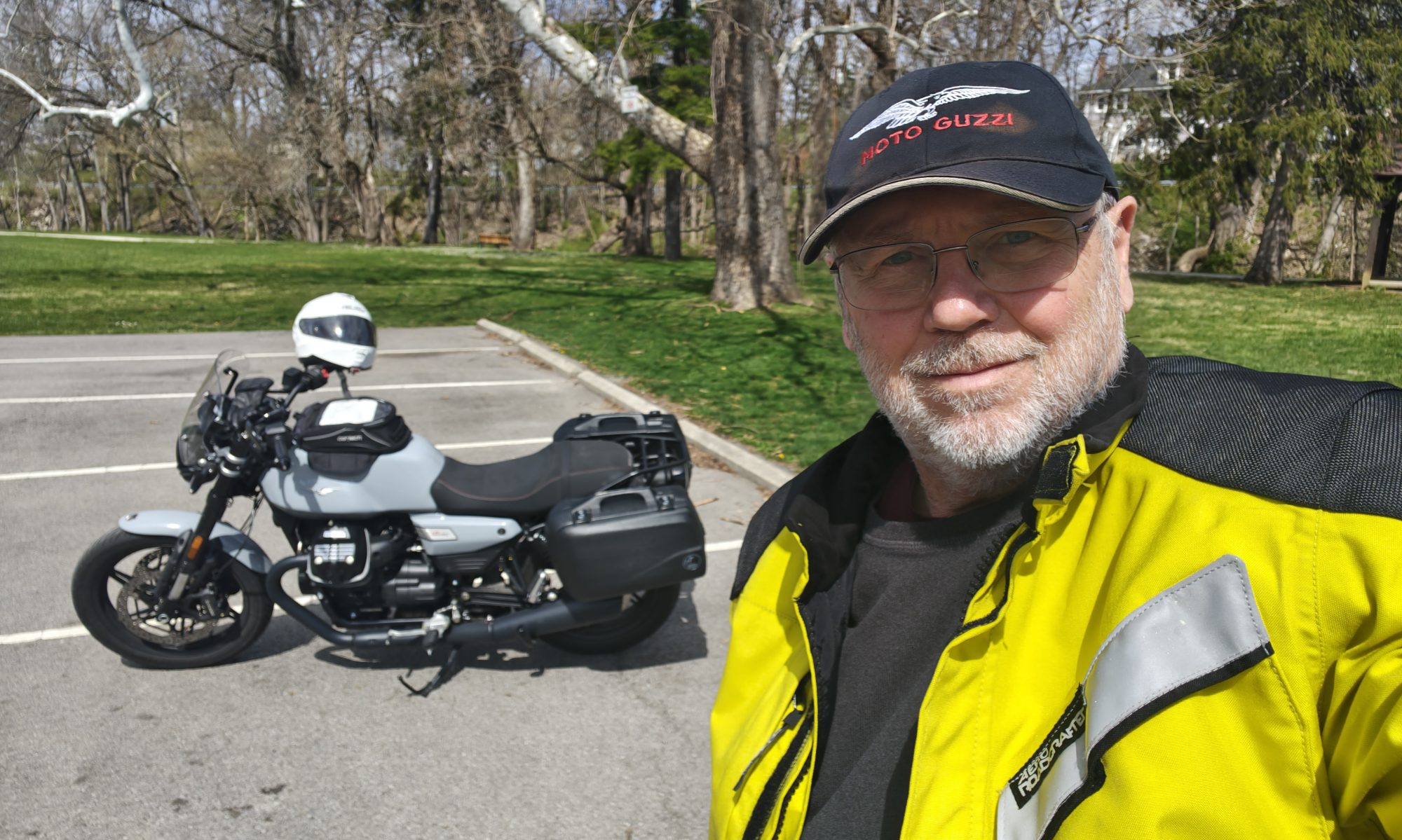
Portrait: News rooms call them mug shots—head and shoulder. But a good photo can also be an environmental portrait that portrays the individual in their environment whatever that might be—office, school, studio, farmer in a barn, racer on the racetrack, etc.
Abstract: This image is usually more on the artsy side, but the content is related to the subject matter. It is usually shot very close up, and no surroundings or environment is contained in the image.
Assignment
Find an event or scene, and photograph it using the different types of images for storytelling. Use the skills you have learned for composition and rule of thirds. Images: overview, medium, close up, portrait, and an abstract also known as a detail shot.
Brent